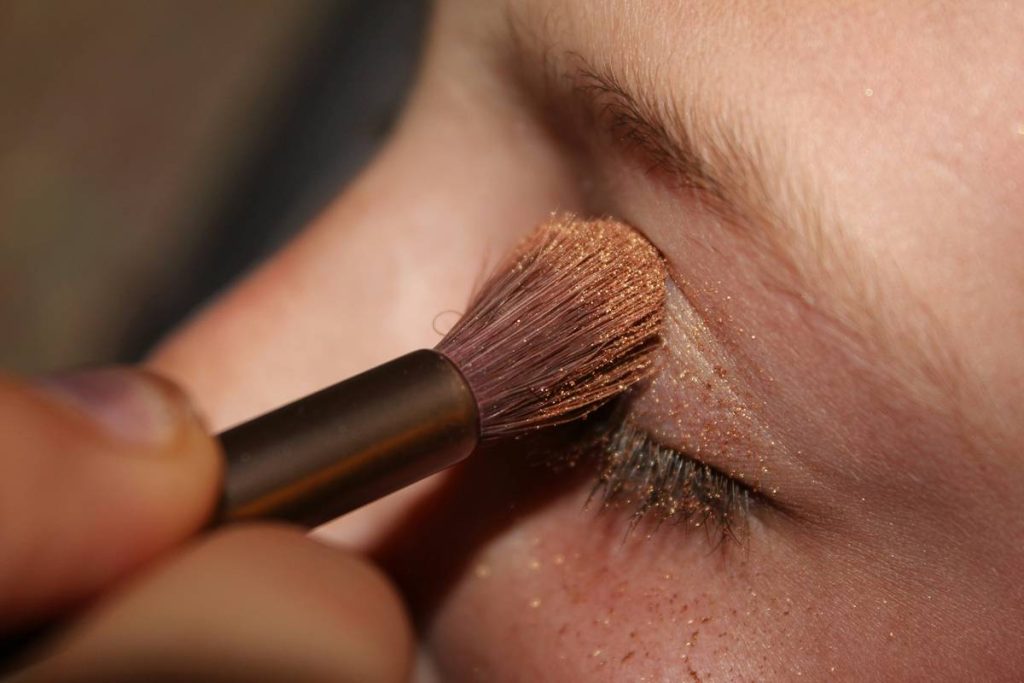
Most makeup tutorials online promise perfection but deliver confusion. You follow the steps—blend, layer, set—and still end up with cakey foundation or smudged eyeliner. The frustration is real. But what if the problem isn’t you? It’s the outdated sequence everyone’s been taught. Here’s a step-by-step system that flips the script—backed by pro artists who actually wear makeup for 12-hour shoots.
Why Your Current Routine Keeps Failing
Traditional “step makeup tutorial learn how to” guides start with primer, then foundation, then concealer. Sounds logical—until you realize your skin moves, shifts, and sweats. Layering heavy products early traps oil underneath, causing midday meltdown. And most tutorials ignore lighting. Applying makeup under yellow bathroom bulbs? You’re setting yourself up for orange face in daylight.
Here’s the reality: technique matters less than workflow. Get the order wrong, and even luxury formulas look cheap.
Step Makeup Tutorial Learn How To Build a Bulletproof Routine
Forget rigid rules. This isn’t about copying Instagram reels—it’s about adapting to your skin’s behavior. Start bare-faced, not “prepped.” Yes, skip the primer for now.
Skin First, Makeup Second
Cleanse gently. Tone if you must. Then—wait. Let your skin breathe for 90 seconds. This reveals your true undertone and texture. No more guessing if you’re warm, cool, or neutral. Your face tells you.
The Reverse Concealer Trick
Apply foundation first—but only on areas that need evening out (cheeks, forehead). Leave under-eyes bare. Now, use concealer not to cover, but to brighten. Dot it in an inverted triangle. Blend upward. Why? Because foundation oxidizes; concealer doesn’t. Doing it this way prevents that dreaded grayish crease.
Set Strategically, Not Everywhere
Translucent powder goes only where you get shiny—T-zone, chin. Avoid baking your entire face. That trend died in 2018, but influencers pretend it didn’t. Less powder = longer wear. Counterintuitive? Maybe. Effective? Absolutely.
| Step | Old Method | Pro Method (This Guide) | Why It Wins |
|---|---|---|---|
| Primer | Applied all over before anything | Skipped initially; used only on eyelids/nose if needed | Prevents pilling and allows skin to dictate coverage needs |
| Concealer | Applied before foundation | Applied after foundation, only under eyes and spots | Reduces product buildup and color mismatch |
| Setting Powder | Baked heavily under eyes and full face | Pressed lightly only on oily zones | Eliminates cakiness and extends wear without dryness |

The Industry Secret No Brand Will Admit
Professional makeup artists rarely use full-face foundation on clients unless it’s for editorial or stage. For daily wear? They mix a pea-sized drop of foundation with moisturizer and spot-conceal. The goal isn’t coverage—it’s harmony. Your skin should look like better skin, not a mask. And here’s the kicker: most “miracle” serums marketed with makeup lines do nothing during application. Save your money. Hydrate well the night before instead. The math is simple—great skin reduces product dependency.
But don’t tell the beauty conglomerates I said that.
Frequently Asked Questions
What’s the first step in a beginner makeup tutorial?
Skip primer. Assess your bare skin in natural light. Apply skincare, wait 90 seconds, then decide where coverage is actually needed.
Should concealer go before or after foundation?
After. Foundation evens tone; concealer highlights. Reversing this causes excess product and creasing—especially under eyes.
How do I make my makeup last all day?
Use less product, not more. Focus on strategic setting—powder only where you get oily. Overloading guarantees breakdown by noon.