
Most makeup melts by lunchtime. You spend 30 minutes blending, only to end up with raccoon eyes and patchy foundation by 2 p.m. Frustrating? Absolutely. But here’s the truth: the problem isn’t your skill—it’s your prep. And your products. And honestly, half the tutorials you’ve watched are selling fantasy, not function.
Why Most “How to Do Makeup” Routines Fail Before Noon
Beauty influencers skip the gritty reality: skin chemistry varies wildly. Oily T-zones sabotage matte finishes. Dry patches amplify every flaw in full-coverage formulas. And that dewy look everyone raves about? It often translates to greasy shine under office lighting.
Worse—you’re probably using too many layers. Primer + moisturizer + sunscreen + color-corrector + foundation = a ticking time bomb of product slippage. The math is simple: more layers = more friction = inevitable breakdown.
How to Do Makeup: A Skin-First, Less-Is-More Blueprint
Forget complicated 10-step regimens. Real staying power starts before pigment touches your face. Hydrate properly the night before. Skip heavy creams if you’re oily—they feed sebum production. And never, ever apply foundation straight from the bottle without shaking (yes, even liquids separate).
Pick Your Base Like a Pro
Ditch the one-size-fits-all foundation myth. If your skin shifts from dry to oily midday, use a water-based formula for cheeks and an oil-control stick just for the T-zone. Spot-application beats blanket coverage every time.
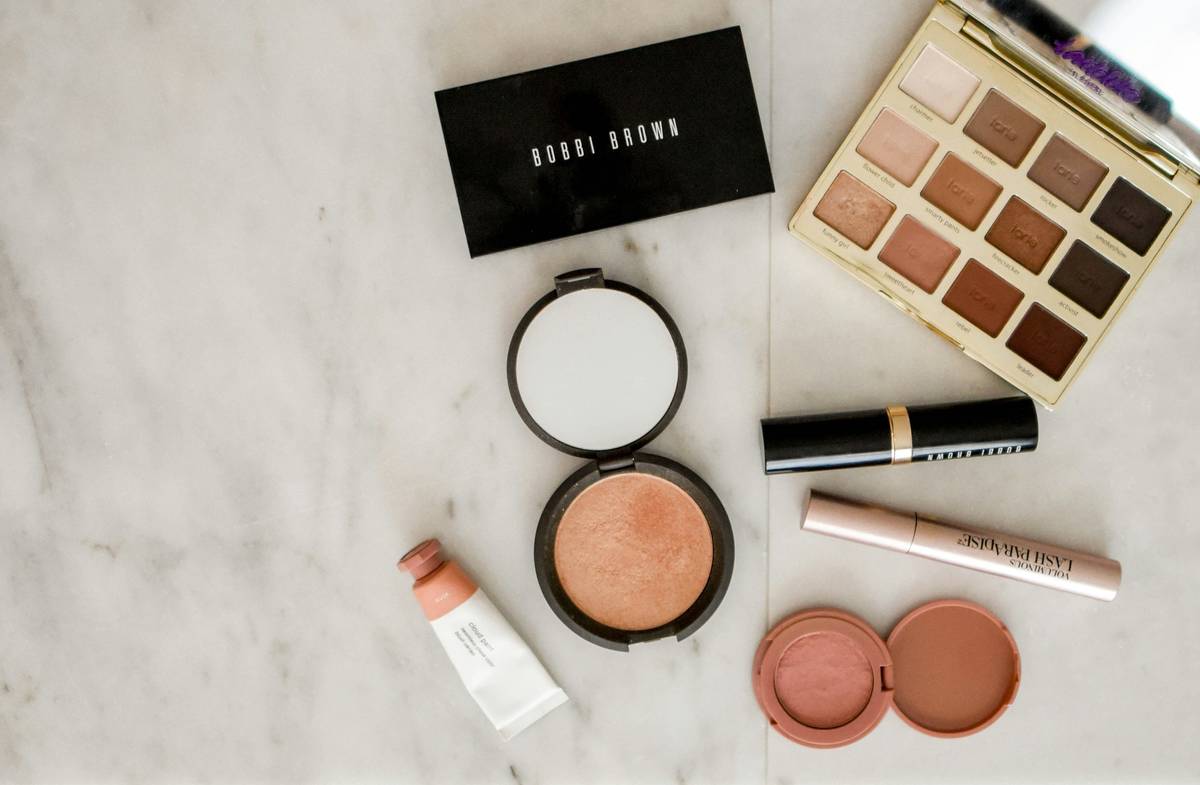
Eyes That Stay Put—No Glue Required
Cream shadows crease because they mix with natural oils. Solution? Set them lightly with translucent powder before adding liner. And skip waterproof mascara unless you’re swimming—it flakes worse than regular when it dries out.
Lip Lock Technique
Blot. Dust with translucent powder. Reapply. This old-school trick works because it removes excess oil from the lip surface—giving pigment something to cling to, not slide off.
| Method | Time Required | Lasting Power | Best For |
|---|---|---|---|
| Full Glam (Primer + Full Coverage + Setting Spray) | 25–35 min | 6–8 hours (with touch-ups) | Photoshoots, events |
| Skin-First Minimal (Hydration + Tinted Moisturizer + Cream Blush) | 7–10 min | 10+ hours (natural finish) | Daily wear, office, humid climates |
| Spot-Correct Only (Concealer + Brow + Mascara) | 4–6 min | All day (zero creasing risk) | Oily skin, heat waves, lazy days |

The Industry Secret: Makeup Artists Never Start With Foundation
Here’s what no tutorial admits: pros map the face *without* base first. They identify redness, darkness, texture—and decide what *actually needs covering*. Often, it’s less than you think. And sometimes, skipping foundation entirely gives better results. One editorial shoot I worked on last winter? Model wore zero foundation—just strategic concealer, bronzer for dimension, and bold lips. The photos went viral. Why? Because real skin breathes. Fake skin suffocates.
Counterintuitive but true: the more you let skin show through, the more polished you look under harsh light or HD cameras.
Frequently Asked Questions
What’s the fastest way to learn how to do makeup?
Start with one feature—lips or brows—and master it for two weeks. Then add eyes or complexion. Mastery beats mimicry.
Should I apply makeup on bare skin or over skincare?
Always over skincare—but wait 5 minutes after moisturizer so it absorbs. Skipping this causes pilling and patchiness.
How do I stop my makeup from looking cakey?
Use damp sponges, sheer layers, and skip powder on dry zones. Cake happens when you mask instead of enhance.