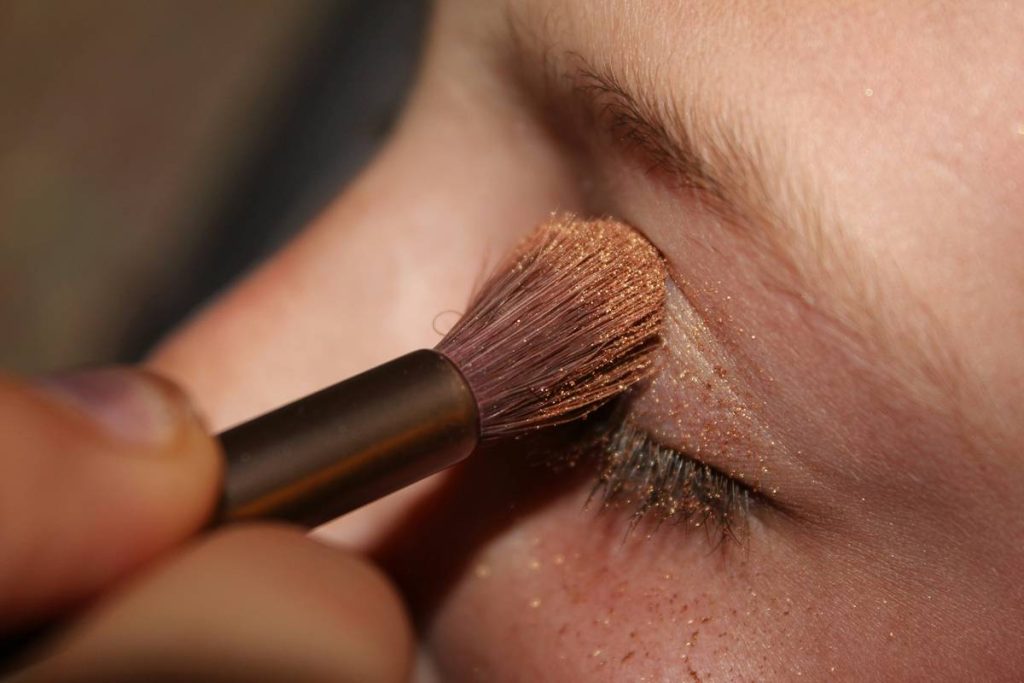
Most people treat makeup like a magic trick—spray on foundation, swipe some shadow, pray it holds. And then wonder why it cakes by noon or vanishes under office lighting. The real issue? They’re skipping the architecture. Makeup isn’t just color—it’s structure, timing, and skin synergy. Here’s your step by step makeup system built by pros who actually wear it all day—not just for Instagram thumbnails.
Why 90% of Tutorials Fail Before You Even Blend
They assume your skin behaves like a mannequin. Dry patches? Oily T-zone? Previous night’s retinol? Nope—just “apply primer and go.” That’s fantasy. Real skin shifts hourly. Humidity changes finish. Diet impacts oil production. Yet most guides still peddle the same 7-step dogma from 2012. Worse—they ignore product layering chemistry. Mix water-based serums with silicone-heavy primers? Congrats, you’ve just created a slip ‘n slide for your concealer.
And the obsession with “full face” looks? Exhausting. Most people need *functional* makeup—not runway drama at 8 a.m. meetings.
step by step makeup: The Adaptive Routine That Actually Holds Up
Forget rigid rules. This is a responsive framework—adjust steps based on your skin’s needs that day.
Prep Like a Pro (Not a Passenger)
Cleanse. Hydrate—but don’t drown. Wait 90 seconds after moisturizer before touching anything else. Why? Water evaporates; oils lock in. If you rush, your base slides off like butter on hot toast.
Color Correction > Concealer (Yes, Really)
Green for redness. Peach for dark circles on deeper skin. Lavender for sallow tones. Apply *before* foundation—with your finger, not a sponge. Precision beats coverage here.
Foundation: Less Is Architecture
One pump max. Dot only where needed—usually center of face. Blend outward with a damp sponge using stippling (not dragging). Sheer = longevity. Thick = creasing.
Set Strategically—Not Generously
Powder only where you shine: T-zone, under eyes, chin. Use a fluffy brush, tap off excess. Heavy powder = flashback + dry texture.
Eyes & Cheeks: Order Matters
Do eyes *before* cheeks. Fallout from eyeshadow ruins blush placement. Cream products first—powders last. Heat from your skin melts creams into place; powders stay crisp on top.
Lips Last (Always)
Lipstick transfers. Blot early, set with tissue, reapply once. Never do lips before setting powder—you’ll smear everything.

| Step | Minimalist Routine (Under 5 min) | Full Routine (15+ min) | Pro Tip |
|---|---|---|---|
| Prep | Tinted moisturizer + SPF | Cleanser → Serum → Moisturizer → Primer | Let skincare absorb fully—skin shouldn’t feel wet |
| Base | Concealer only (under eyes, blemishes) | Color corrector → Foundation → Concealer | Warm concealer on wrist first—cold product = patchiness |
| Set | Pressed powder on T-zone | Loose powder + setting spray | Spray *after* powder—never before |
| Color | Multipurpose cream (cheeks + lips) | Eyeshadow → Liner → Mascara → Blush → Highlight | Use same shade family for cohesion—e.g., warm browns everywhere |

The Industry Secret: Your Skin Type Changes Weekly—Your Routine Should Too
Here’s what brands won’t tell you: Skincare ingredients (like AHAs, retinoids, even vitamin C) alter how makeup adheres. Use exfoliants at night? Skip heavy primers next morning—they’ll ball up. On hormonal week? Switch to cream formulas—they blend into slight puffiness better than powders. Even your water intake affects finish. The math is simple: if your skin feels tight after cleansing, you need hydration-layering before pigment ever touches it. Pros carry two kits—one for “smooth” days, one for “reactive” days. You should too.
Frequently Asked Questions
What’s the first step in step by step makeup?
Clean, hydrated skin—not primer. Skipping proper prep guarantees patchiness, regardless of product quality.
Should I do eyes or foundation first?
Eyes first. Fallout from eyeshadow can be dusted off bare skin. On foundation? It creates muddy streaks you can’t fully erase.
How do I make step by step makeup last 12 hours?
Layer water-based products first, silicone-based next, then set with powder + spray. Avoid mixing incompatible bases—they’ll separate by hour three.